Shared Tables, Shared Stories
Food carries memory. Food carries identity. Food carries stories. Shared Tables, Shared Stories, a collaborative cultural programme between Hey! Food is Ready in the UK and French-based platform Les Globe Traiteurs, explored precisely this potential. The project brought together migrant chefs and cultural practitioners to create an international space where culinary heritage and personal narratives intersected.
At the heart of the programme was a simple yet profound idea: what we eat reflects who we are and where we come from. Each participating chef presented a heritage dish alongside a story of migration, belonging, or cultural memory. These were not performances in the conventional sense. They were intimate, lived experiences, inviting audiences to sit, taste, listen, and reflect. Through facilitated dialogue, the sharing of food became an artistic medium, a platform for storytelling, and a living cultural archive.
For audiences, the experience was immersive. Preparing and sharing food alongside the chefs fostered a sense of participation and connection, transforming spectators into co-creators of cultural meaning. Participants discovered not only new flavours but also the histories, emotions, and resilience embedded in each dish. In this way, Shared Tables, Shared Stories demonstrated how food can bridge gaps between cultures and generations, making abstract concepts of migration and identity tangible and felt.
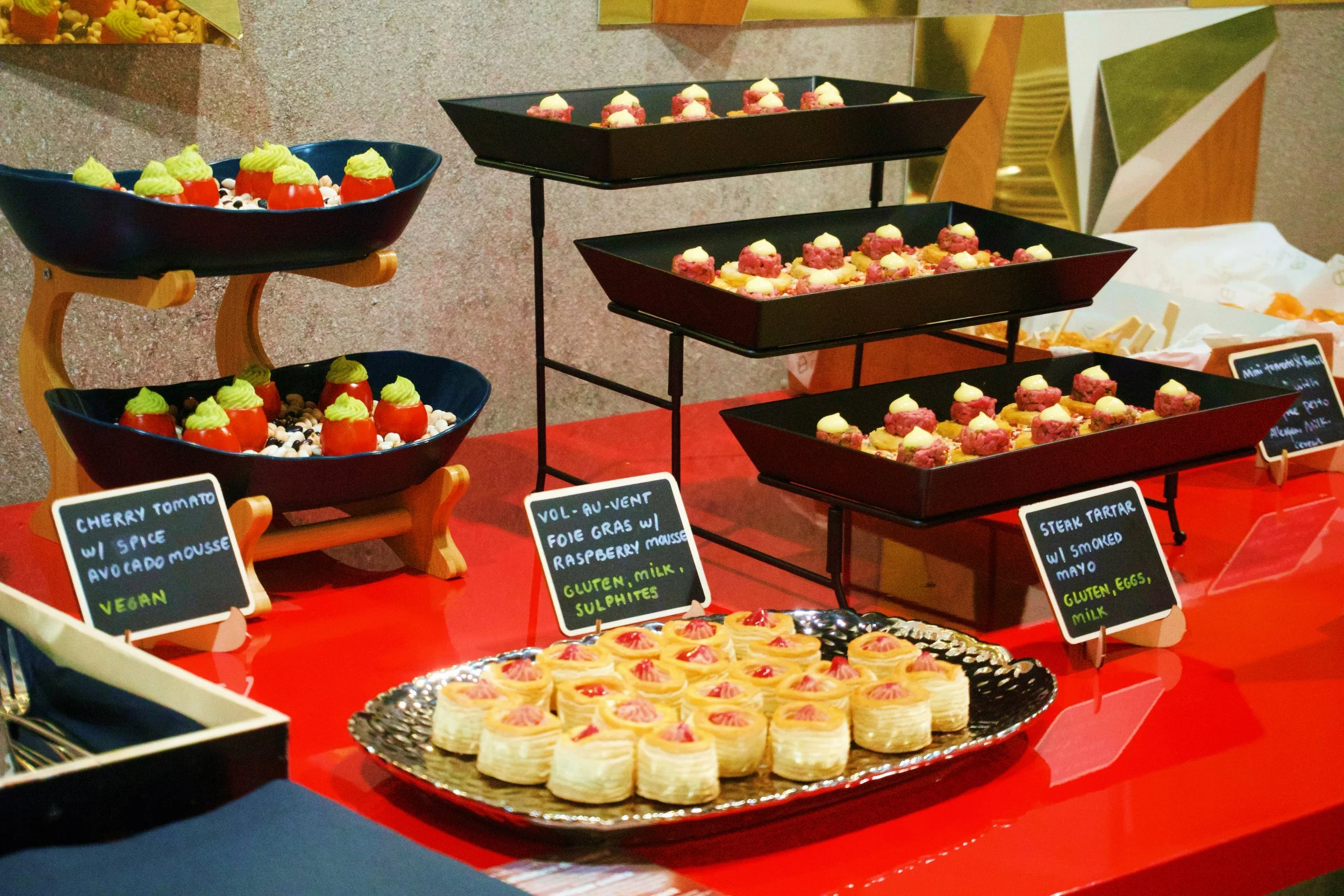
From a curatorial perspective, this project sits within my ongoing practice in Combined Arts, where multiple artistic disciplines converge to create participatory cultural experiences. Culinary arts, storytelling, and dialogue were woven together to produce a holistic programme that engages senses, intellect, and emotion simultaneously. Presenting heritage dishes as art challenges conventional ideas of what cultural programming can be, inviting audiences to experience creativity in everyday acts like cooking and eating.
Working internationally with Les Globe Traiteurs added another dimension. Bringing together communities across London and Paris highlighted both the universality and specificity of migration experiences. Shared stories revealed similarities across diasporic journeys while celebrating the unique flavours, rituals, and customs of each cultural background.
Ultimately, Shared Tables, Shared Stories is more than a cultural event. It is an exploration of memory, belonging, and identity through participatory practice. By situating culinary heritage at the intersection of art and social engagement, the programme offers a model for how cultural projects can foster empathy, connection, and understanding across borders.
In a world increasingly defined by movement, migration, and cultural hybridity, food becomes both a mirror and a bridge. Through participatory programming, heritage is preserved, stories are amplified, and communities are connected—one shared table at a time.