The weeks between Bonfire Night and spring are the longest stretch of the working year: dark commutes, cold desks, and the glow of December wearing off. Wellbeing in winter is less about programmes and more about warmth, literal and otherwise.
A note of honesty first: no workshop fixes workload or winter. What small rituals can do is give people a genuine pause and a reason to look up from their screens.
Winter is a season, not a problem to fix
Energy dips in January and February are normal. Framing wellbeing activities as repair ("we know you're struggling") can land badly; framing them as seasonal ("it's cold, let's have something warm together") lands kindly. The best winter wellbeing feels like hospitality, not intervention.
Warmth is a wellbeing tool
Hot food shared at midday changes the temperature of a whole afternoon. A dumpling-making lunch, a soup and bread spread, a chai and baking session: these are small, bookable ways to make the office somewhere people want to be in February. Comfort food from someone's home cuisine beats generic wellness snacks every time.
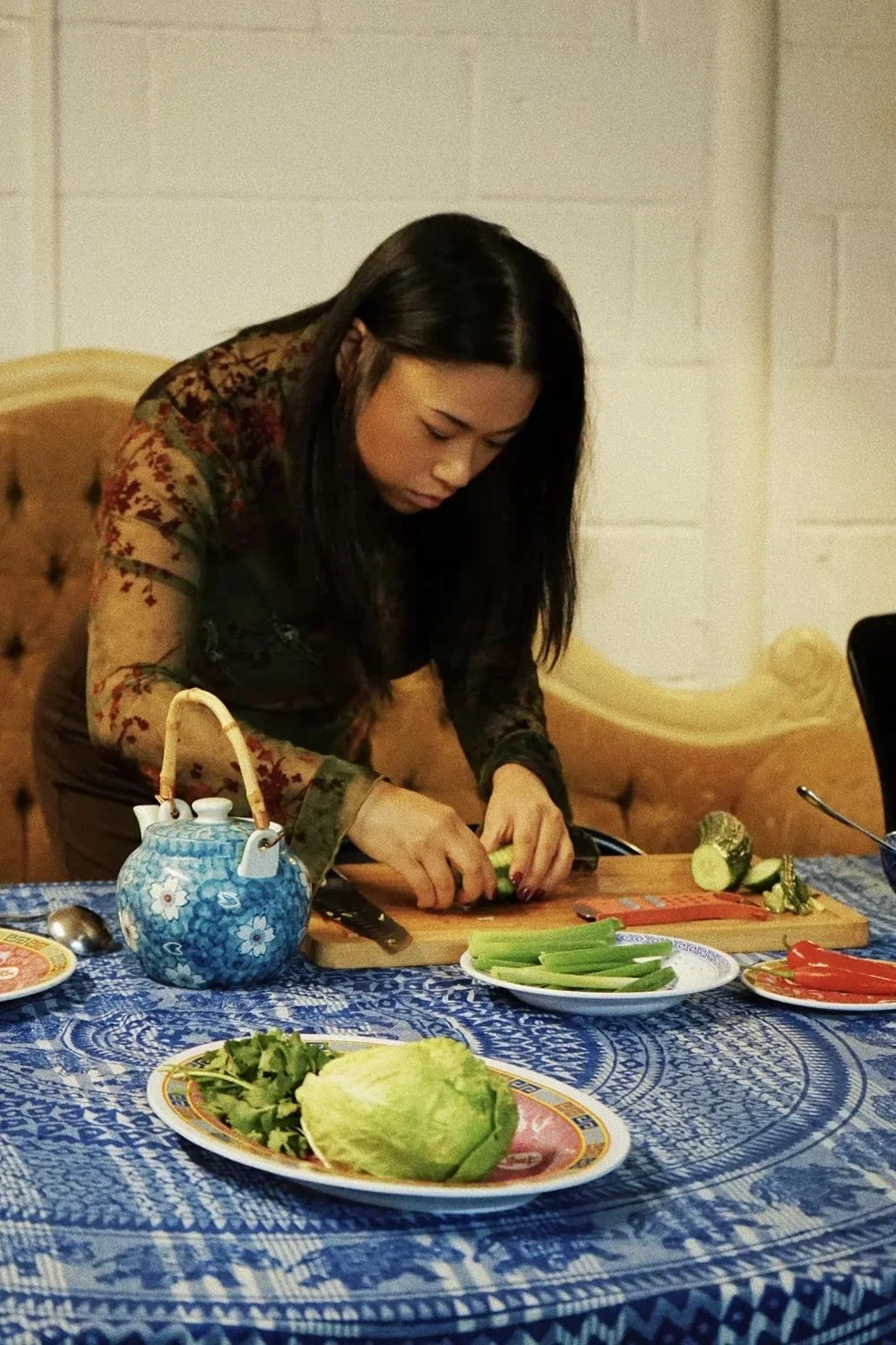
Chopping vegetables beside a teapot at a cooking workshop.
Gentle making over high energy
Winter is not the season for competitive formats. Quiet, absorbing crafts such as nail art, painting and botanical dyeing let tired people socialise at low volume. An hour of focused making is a screen break that actually restores, and everyone leaves with something to show for it.
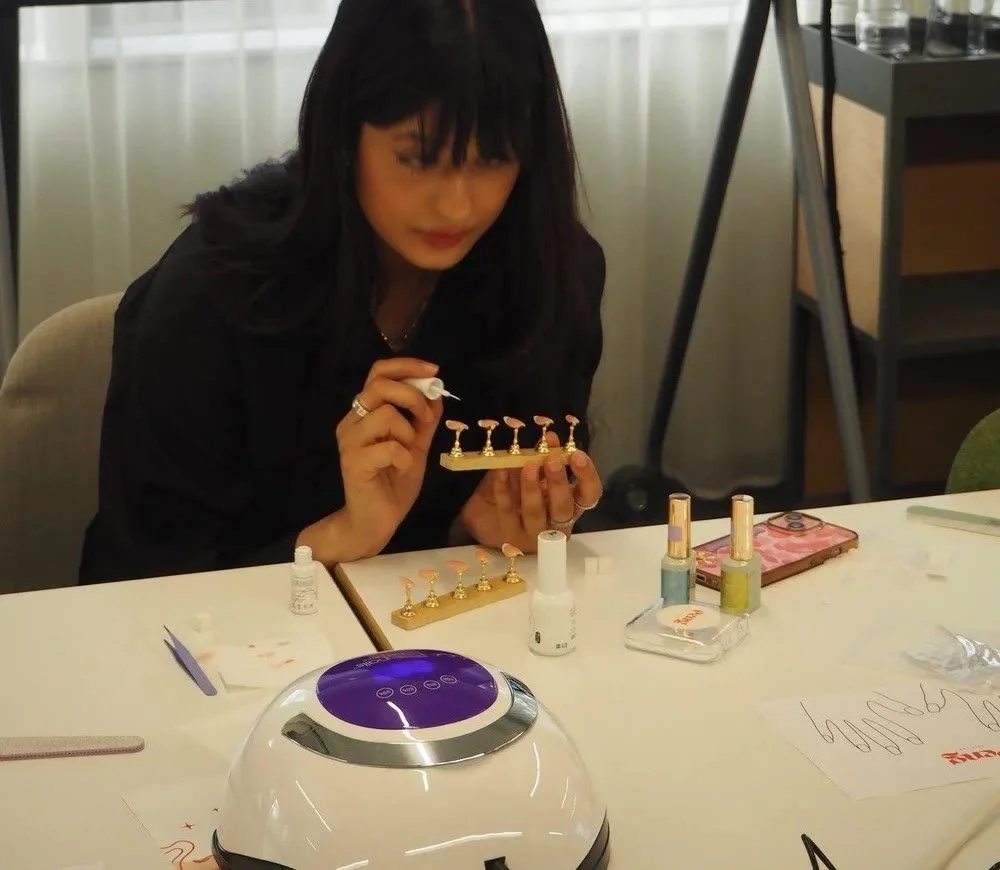
Decorated nail art tips on display at a team wellbeing session.
Keep it optional
The surest way to make wellbeing feel like work is to make it compulsory. Offer the activity, make joining easy, and let the quiet joiners watch with a cup of tea. Attendance tells you nothing about how much someone needed the break.
Hey! Food is Ready runs warming cooking workshops and gentle craft sessions for London teams through the winter months, brought to your office.