Recreating Home Through Art and Community
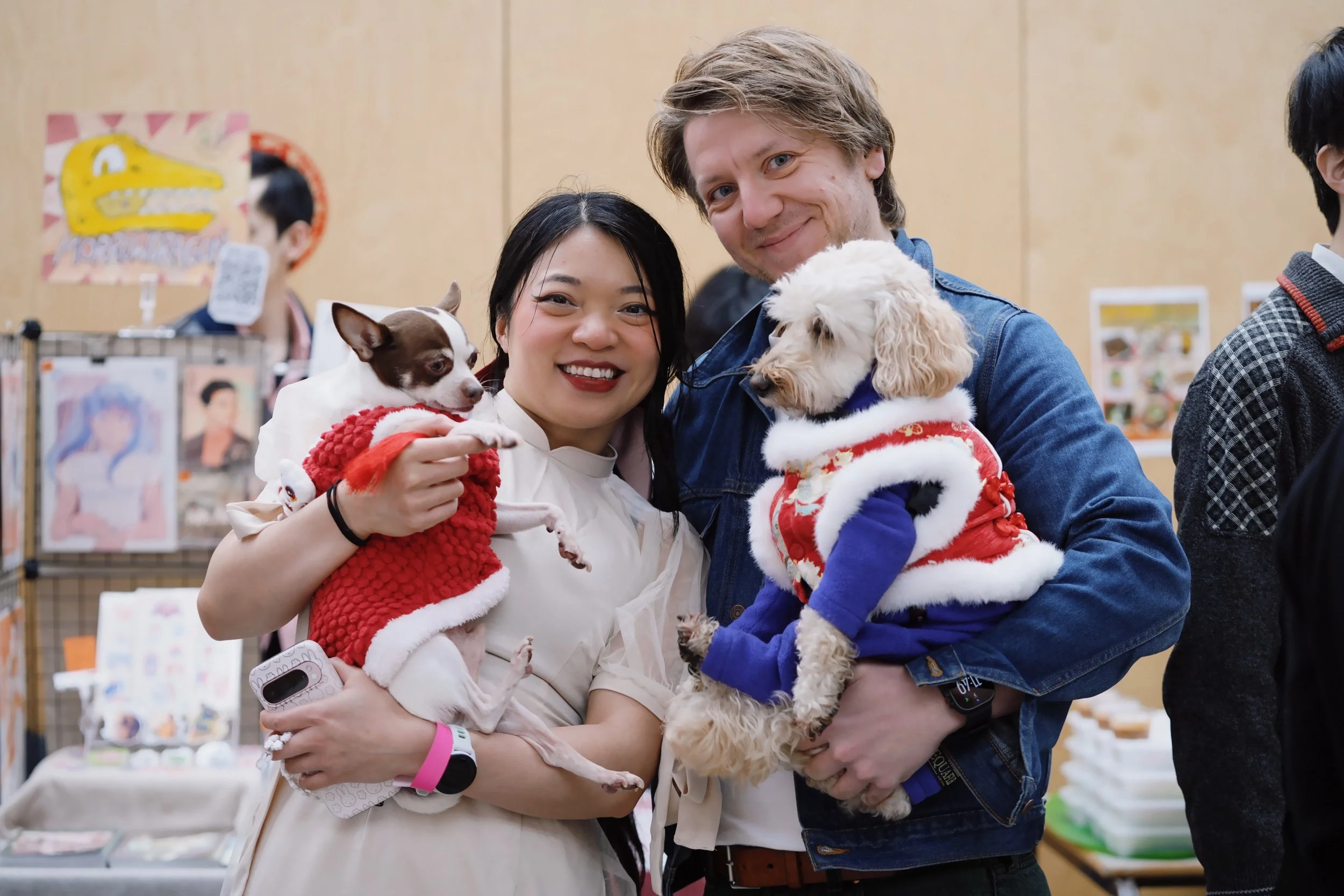
Earlier this year, the ESEA Community Centre in Hackney came alive with colour, movement, and memory as it hosted a vibrant fundraiser to welcome the Year of the Horse. What unfolded was more than a festival. It was a deeply personal and cultural expression of belonging, shaped by food, art, and shared traditions.
At the heart of the event was a simple but powerful idea. To create a space where people could reconnect with the feeling of home.
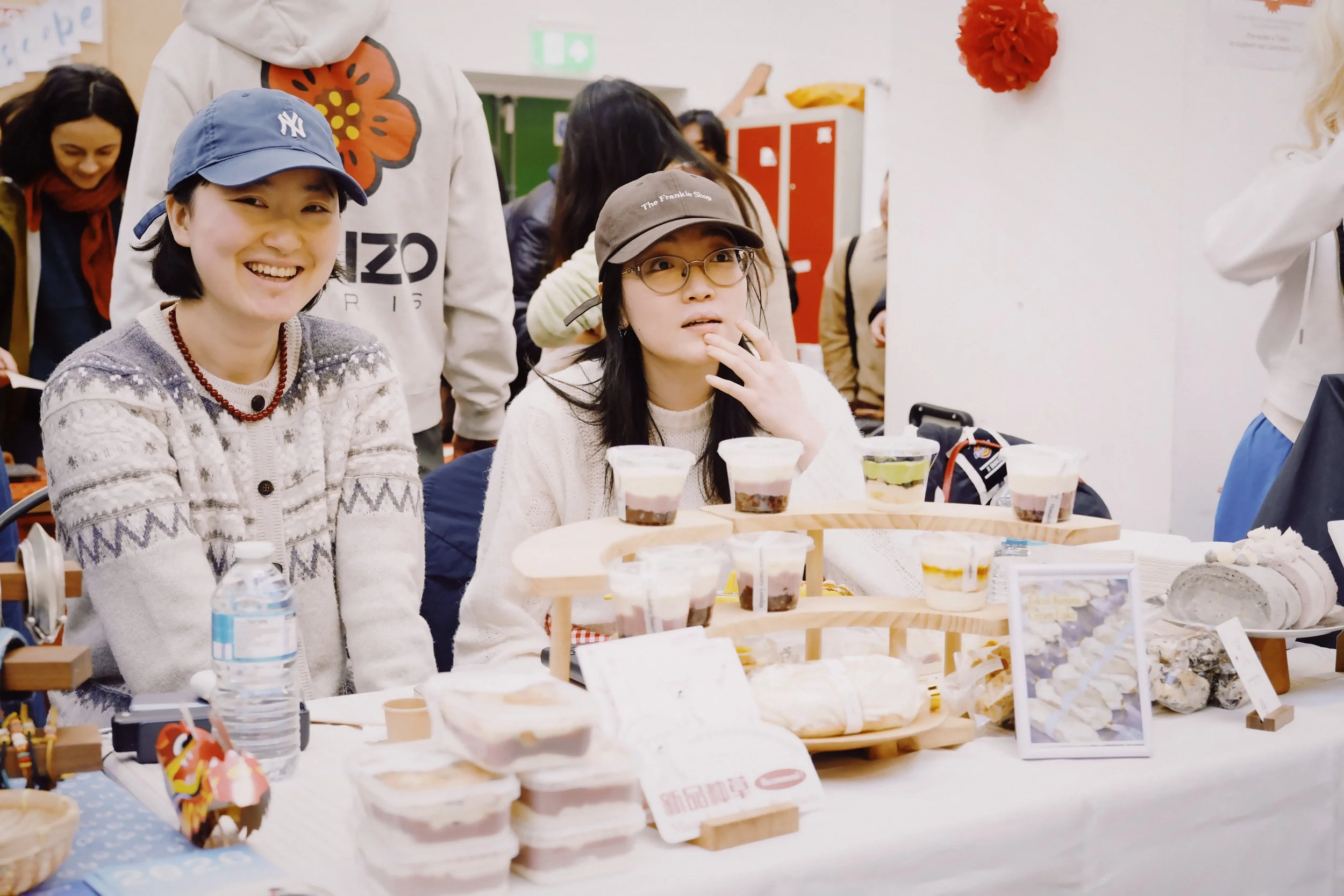
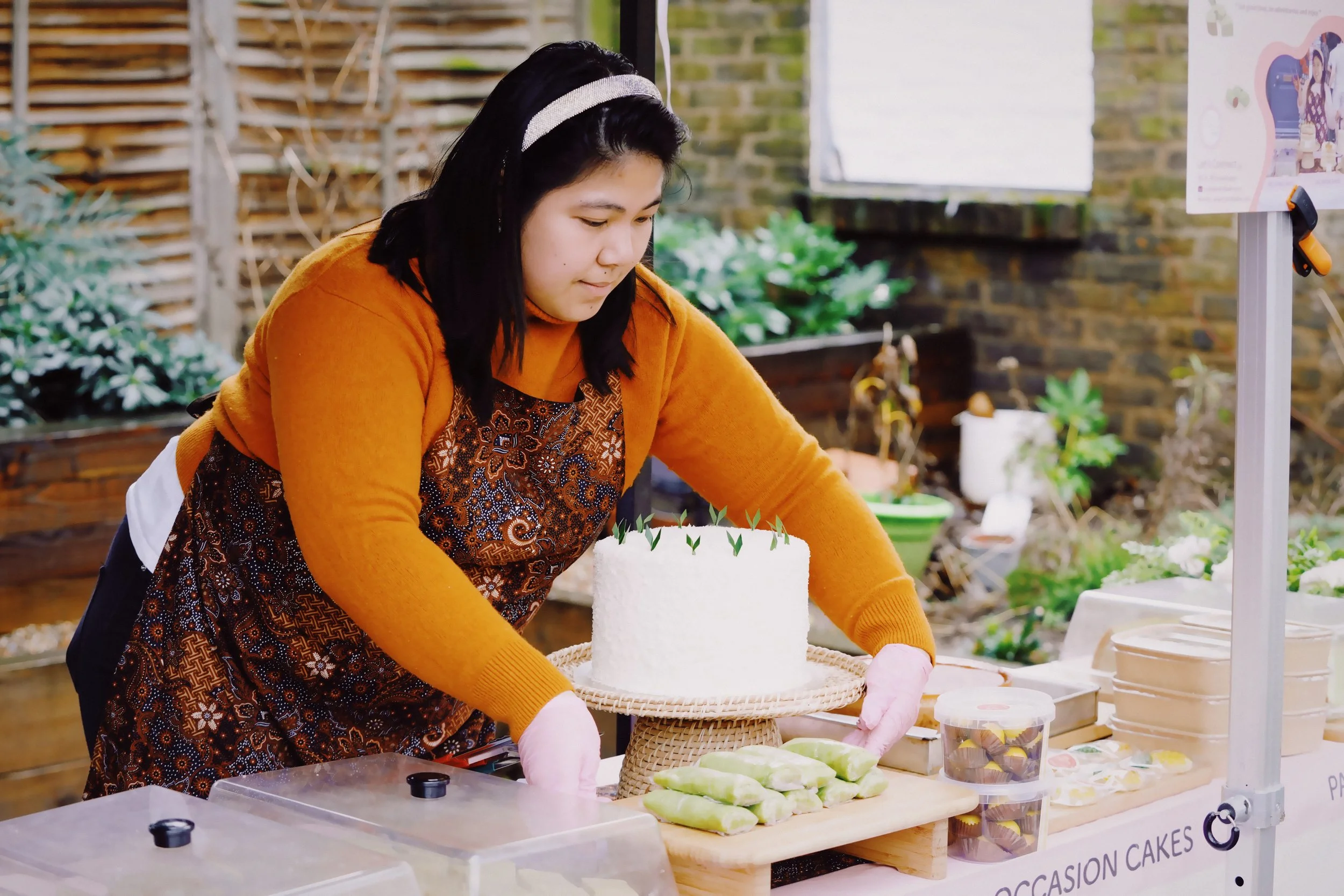
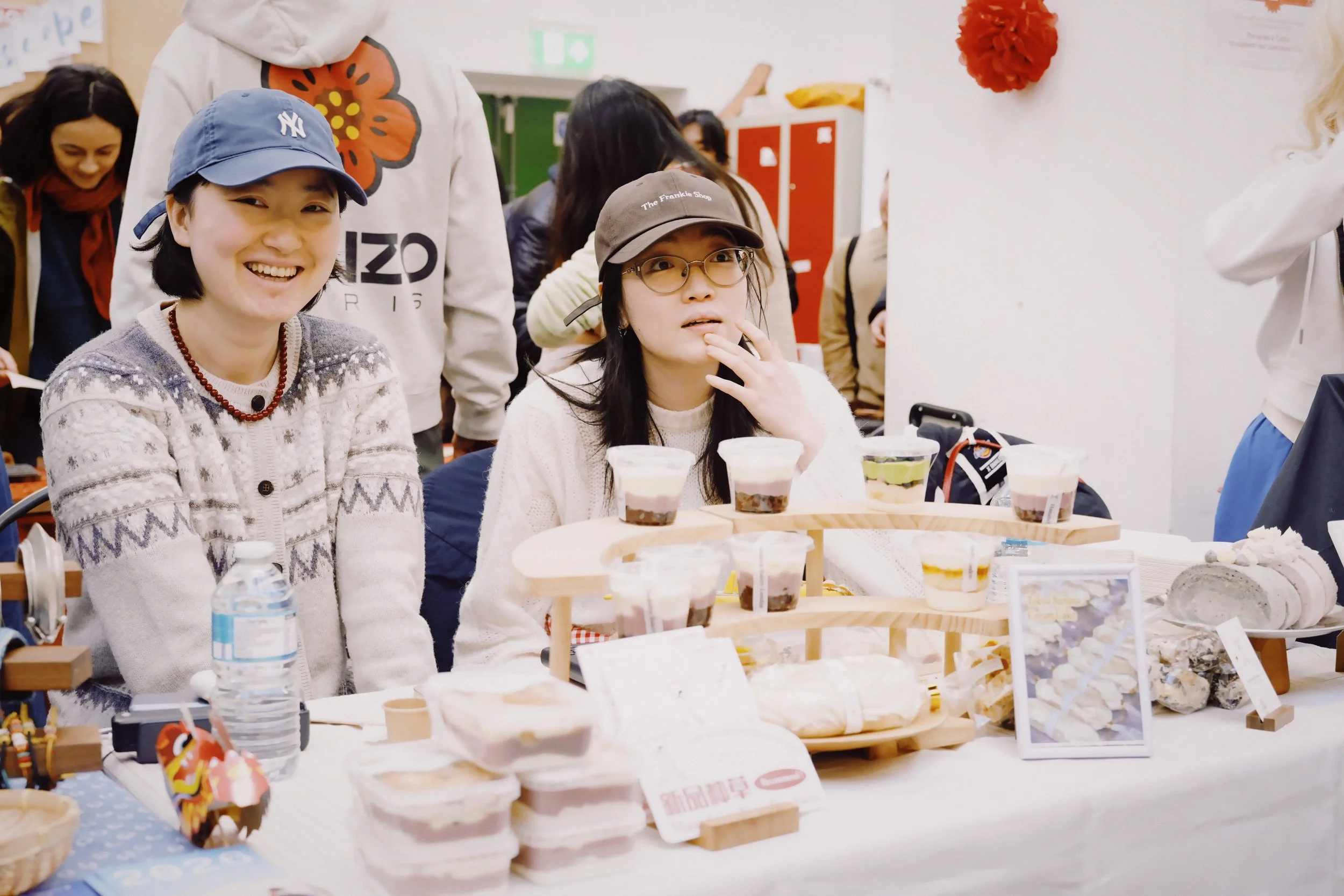
Organised by Yuru Guo and Kyra Zhang, the fundraiser brought together the richness of ESEA culture through a lively day of food, crafts, games, and performances. Visitors moved through a bustling market filled with dishes prepared by ESEA chefs, while the sounds of conversation and laughter filled the space. There was a warmth that felt intentional, something carefully created through community and care.
For Yuru Guo, this event was rooted in memory. She reflected on her childhood experience of the New Year as a time of anticipation and joy. New clothes, a table full of food, and family gathered closely together making dumplings. These traditions, so vivid and meaningful, had begun to feel more distant after years of living in the UK.
This fundraiser became a way of bringing those moments back to life, not just for herself, but for others who share that same sense of distance. It was about recreating a feeling that cannot easily be replicated, yet can be rediscovered through community.
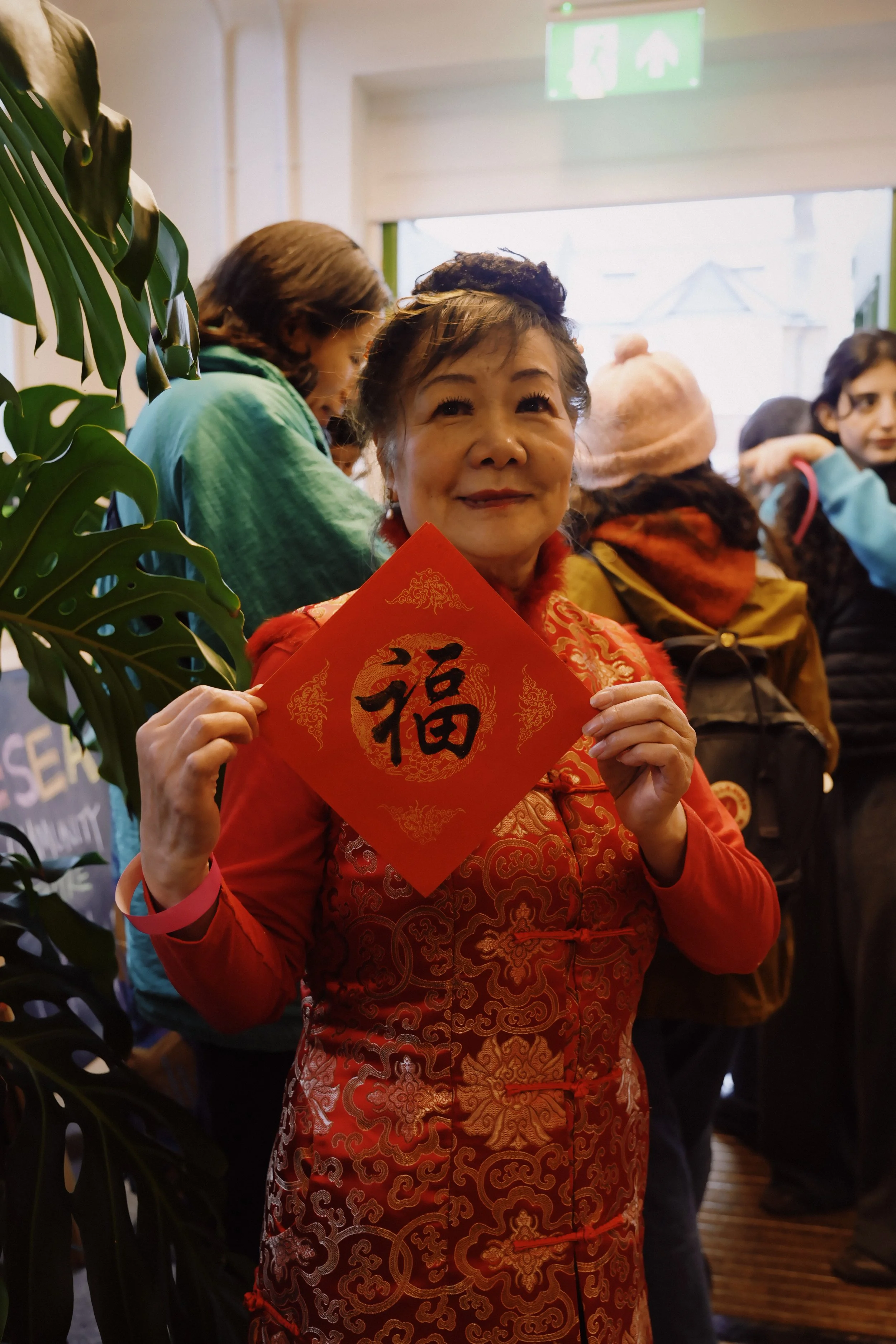
The Year of the Horse marks the beginning of a new cycle in the lunar calendar, a time associated with renewal, movement, and energy. Across East and Southeast Asian cultures, the New Year is traditionally a moment for reunion, reflection, and hope. Homes are cleaned to sweep away bad luck and welcome fresh beginnings. Red decorations are displayed to symbolise prosperity and protection. Families gather to share meals that carry meaning beyond taste, representing abundance, unity, and good fortune.
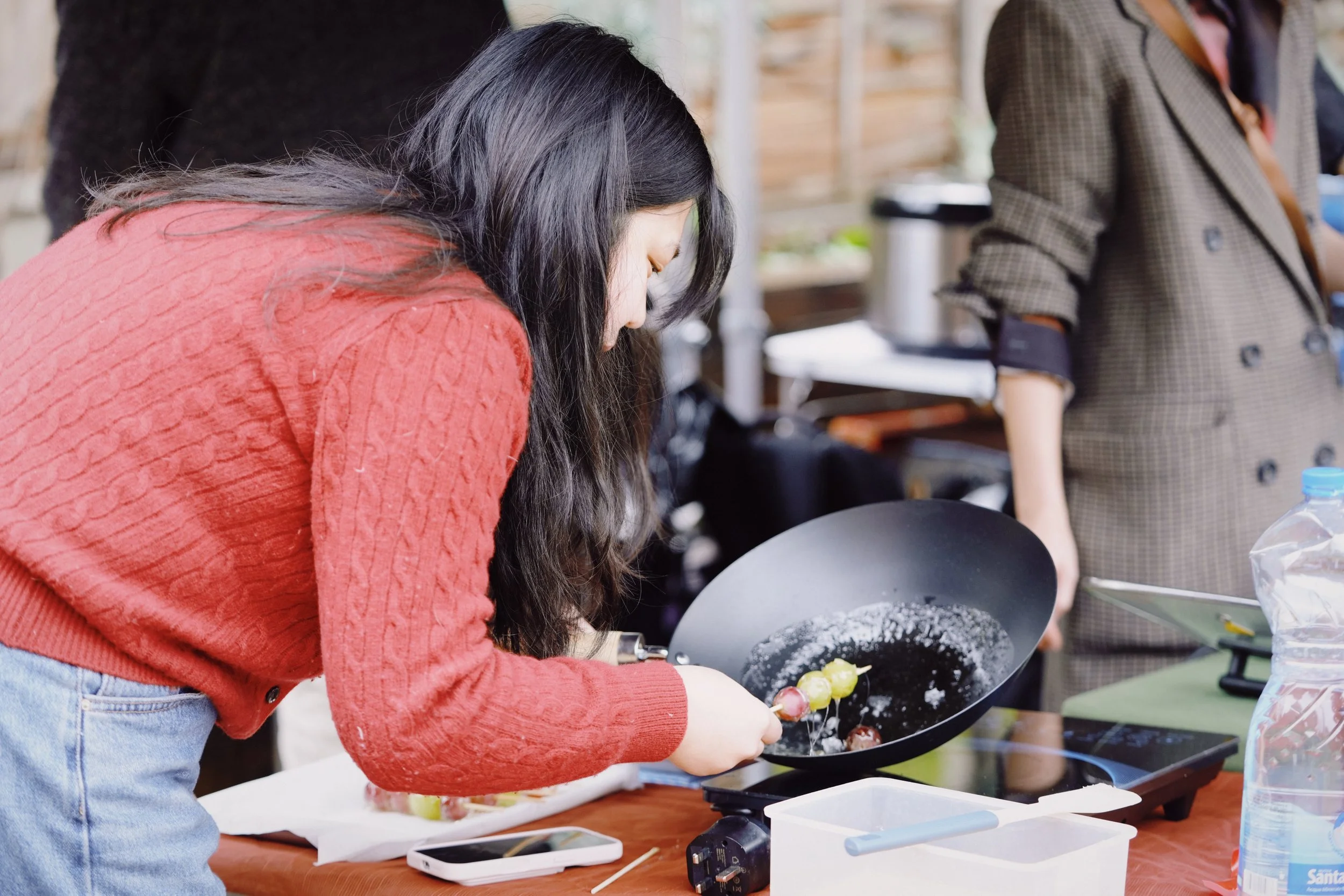
Food plays a central role in these traditions. Dumplings, shaped to resemble ancient currency, symbolise wealth and prosperity. Preparing them together is as important as eating them, turning the act into a shared ritual of care and connection. This spirit came to life during the dumpling wrapping sessions at the event, where people gathered side by side, echoing a practice passed down through generations.
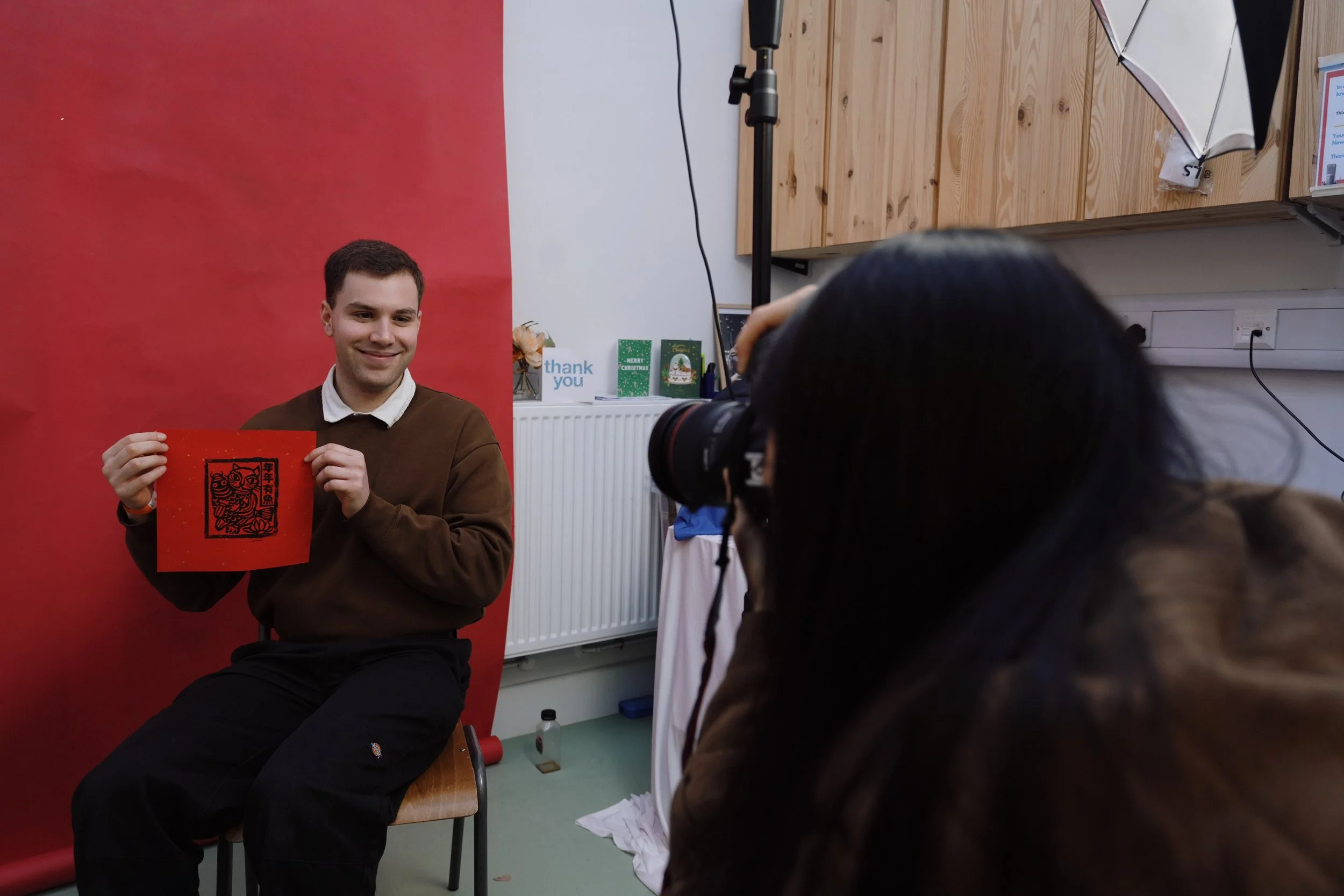
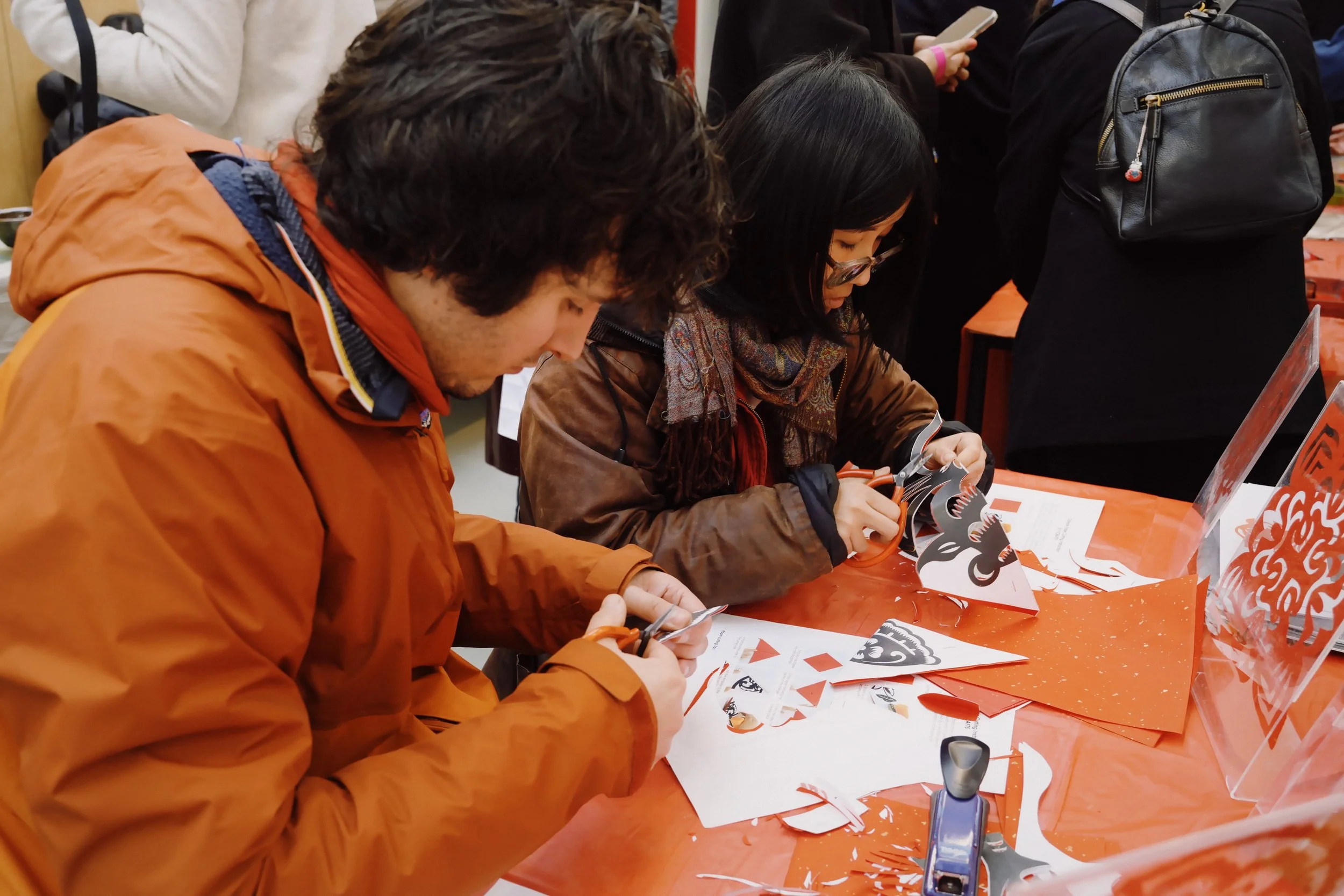
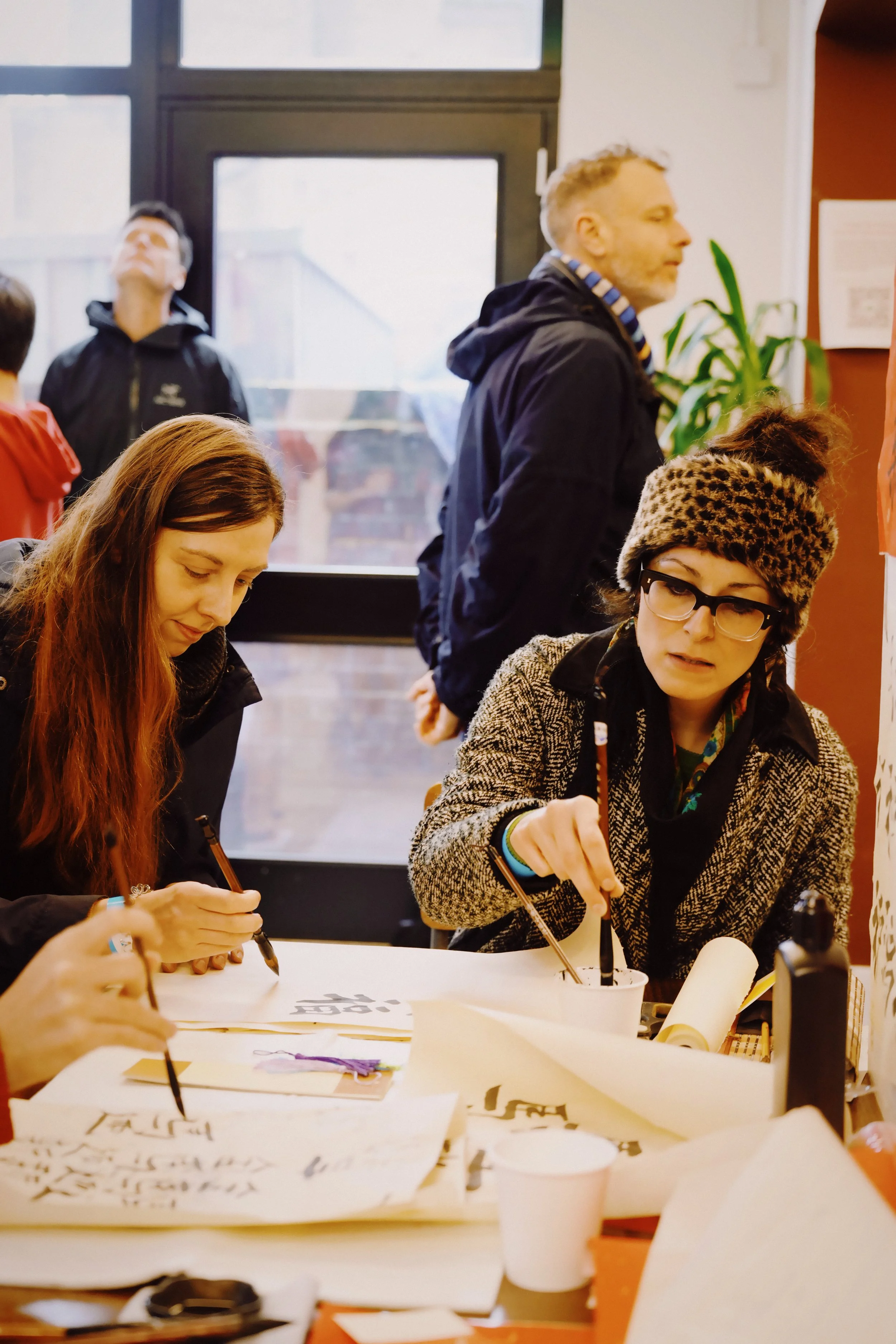
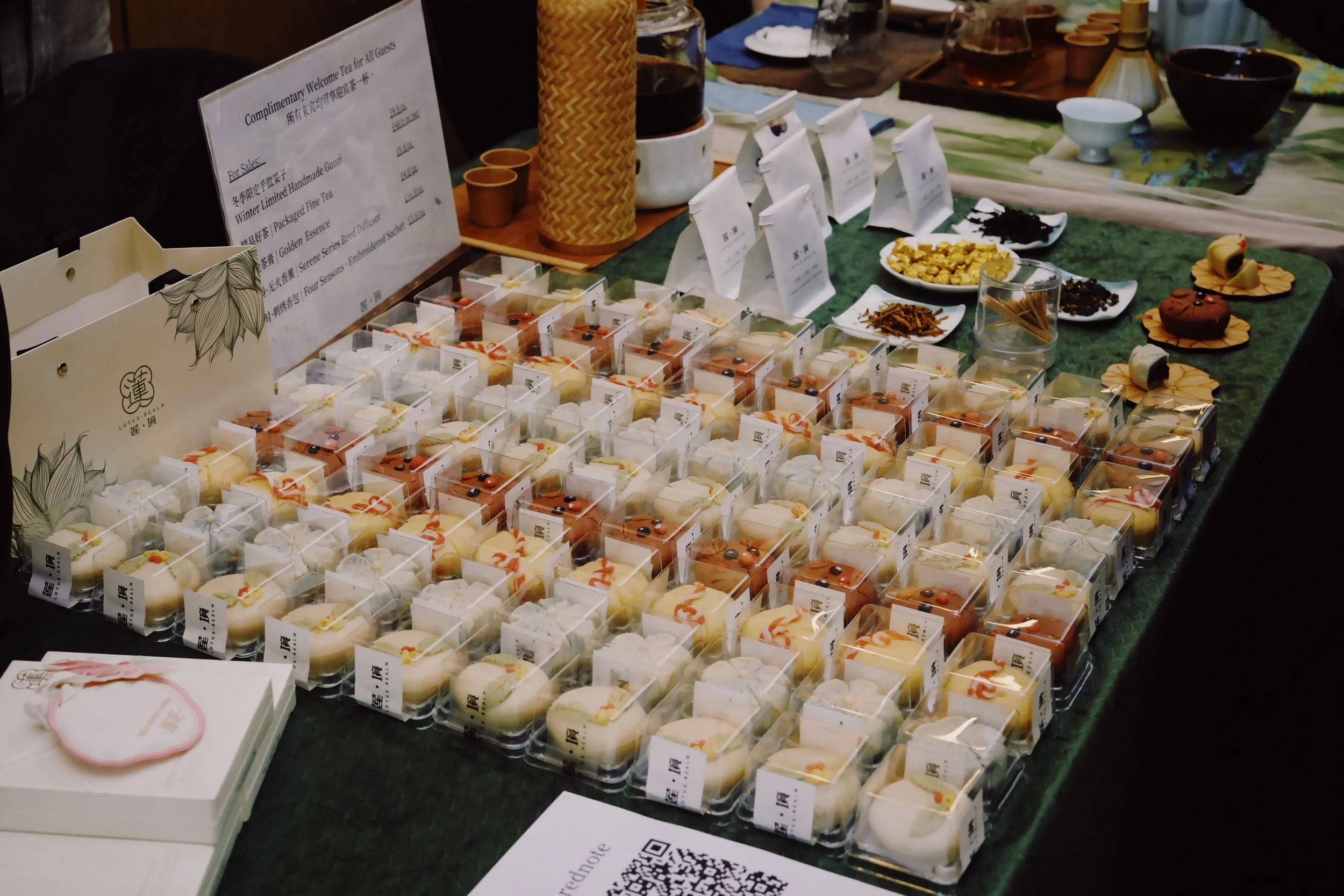
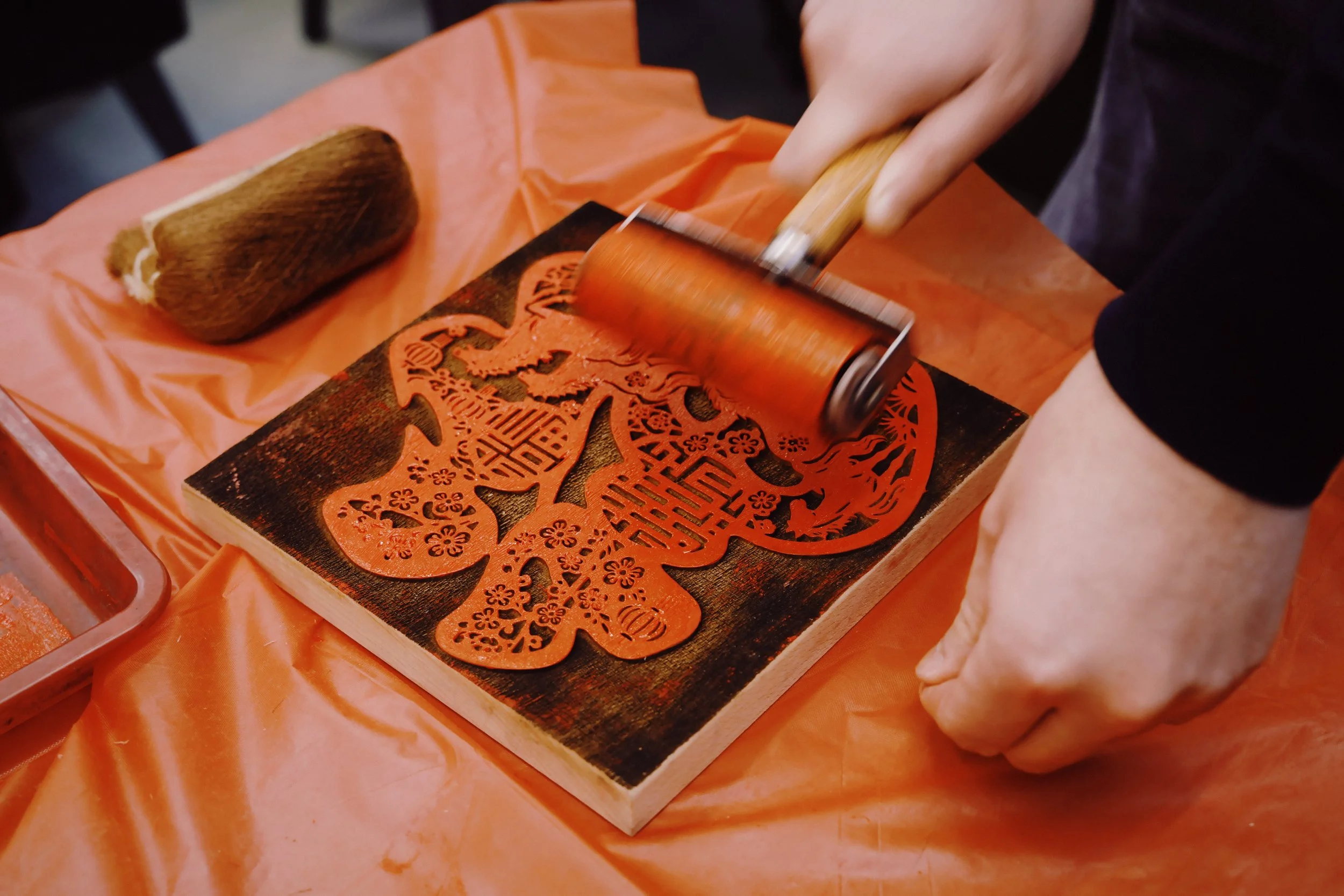
Art and craft are equally woven into the celebration. They are not only decorative, but deeply symbolic. Paper cutting and woodblock printing often feature motifs of happiness, longevity, and luck, while traditional tea practices reflect mindfulness and heritage. Workshops led by Yi Crafts and Lotus Realm invited participants to engage directly with these art forms, transforming cultural appreciation into something tactile and lived.
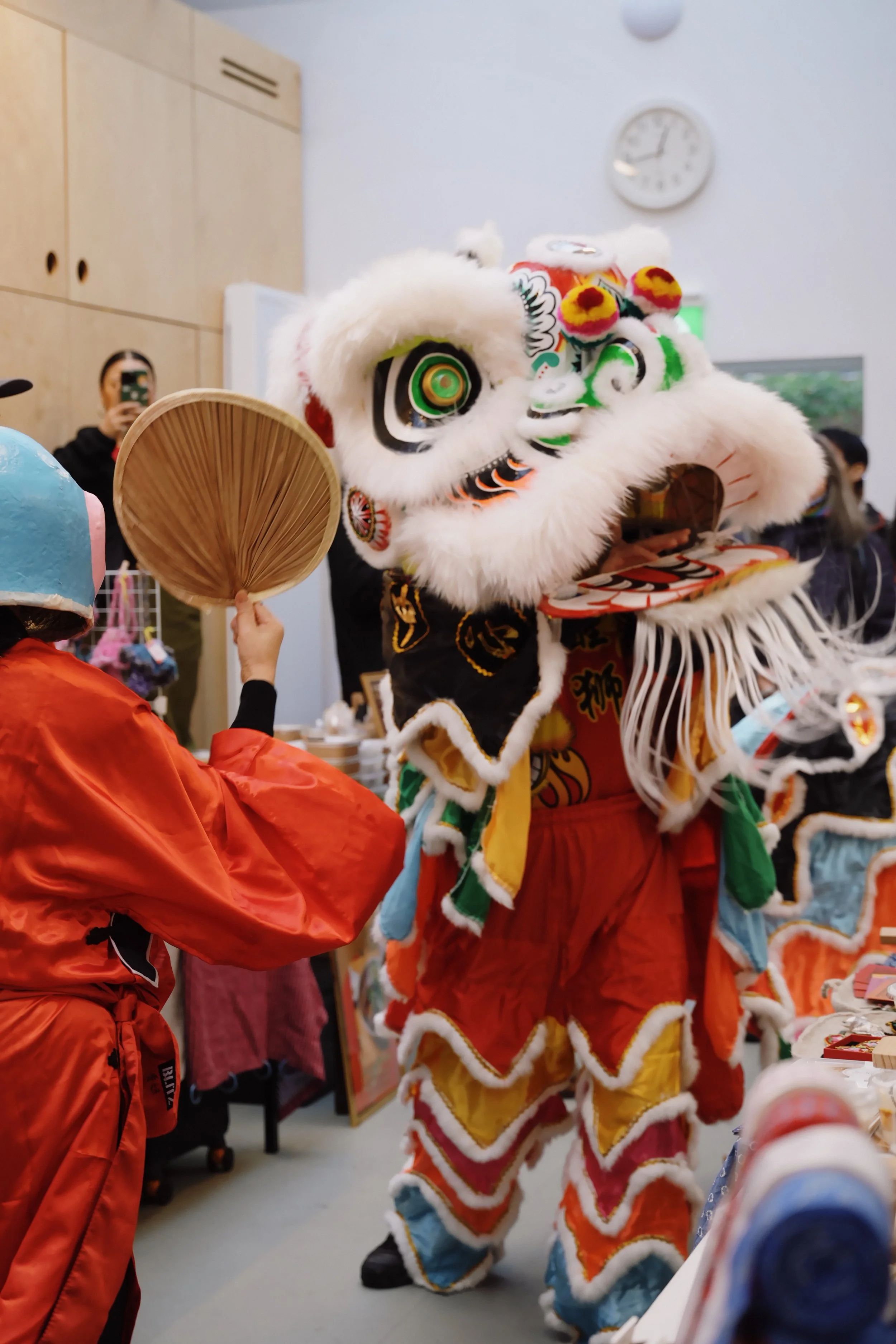
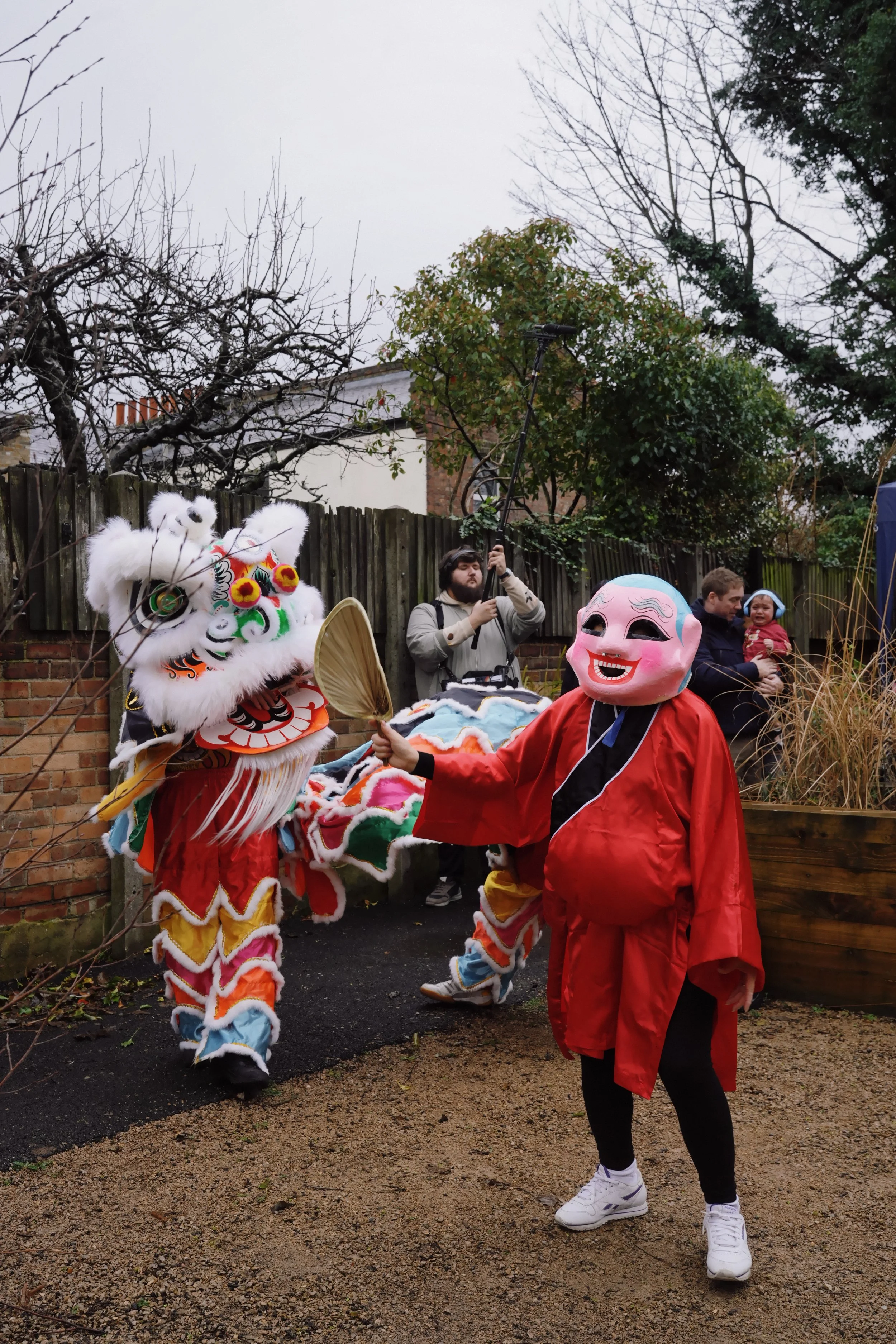
The lion dance performance brought a powerful sense of movement and storytelling into the space. With its rhythmic energy and vivid costume, it is traditionally performed to invite good fortune and ward off negativity. Experiencing it in Hackney created a moment where distance felt irrelevant, replaced by a shared cultural rhythm.
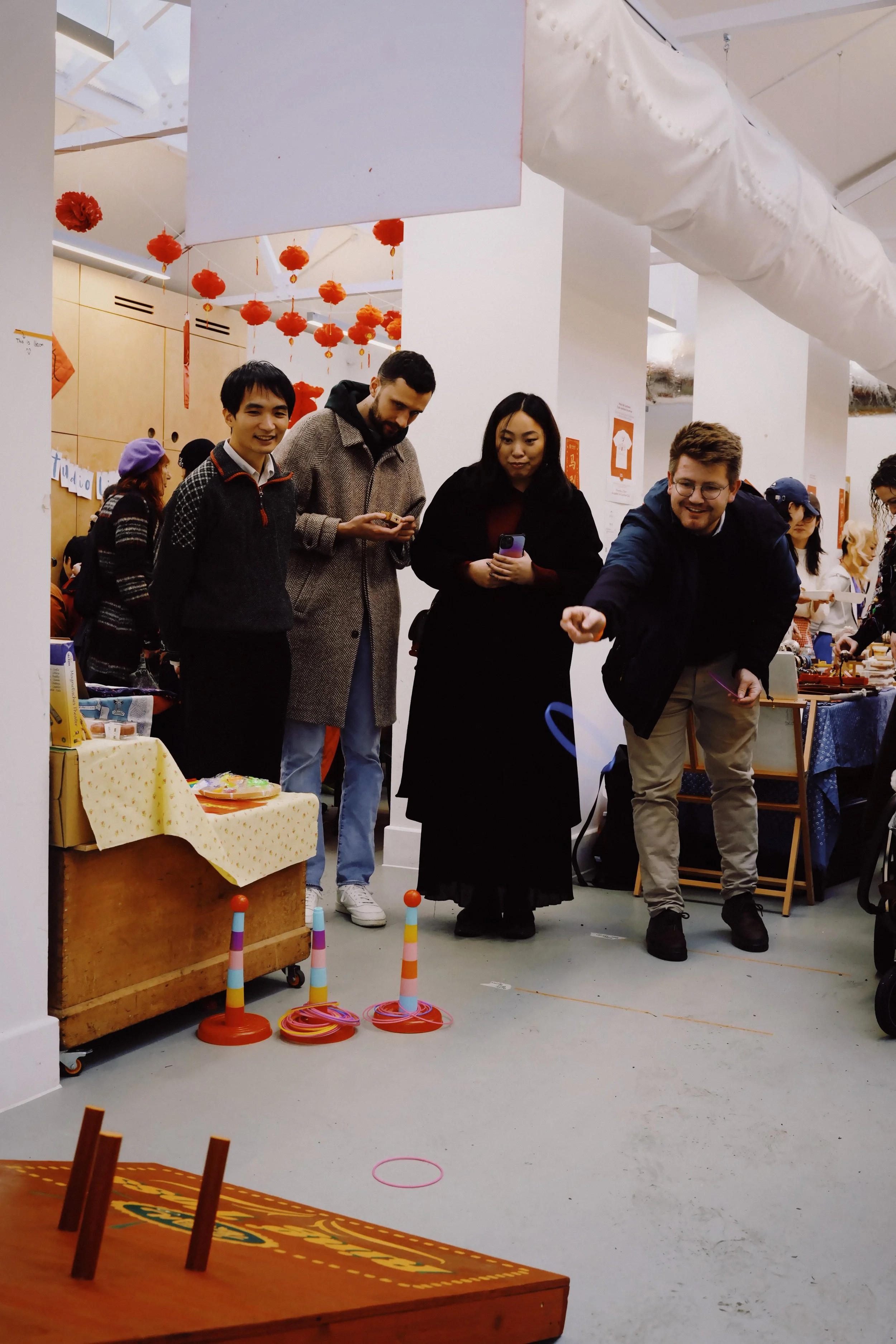
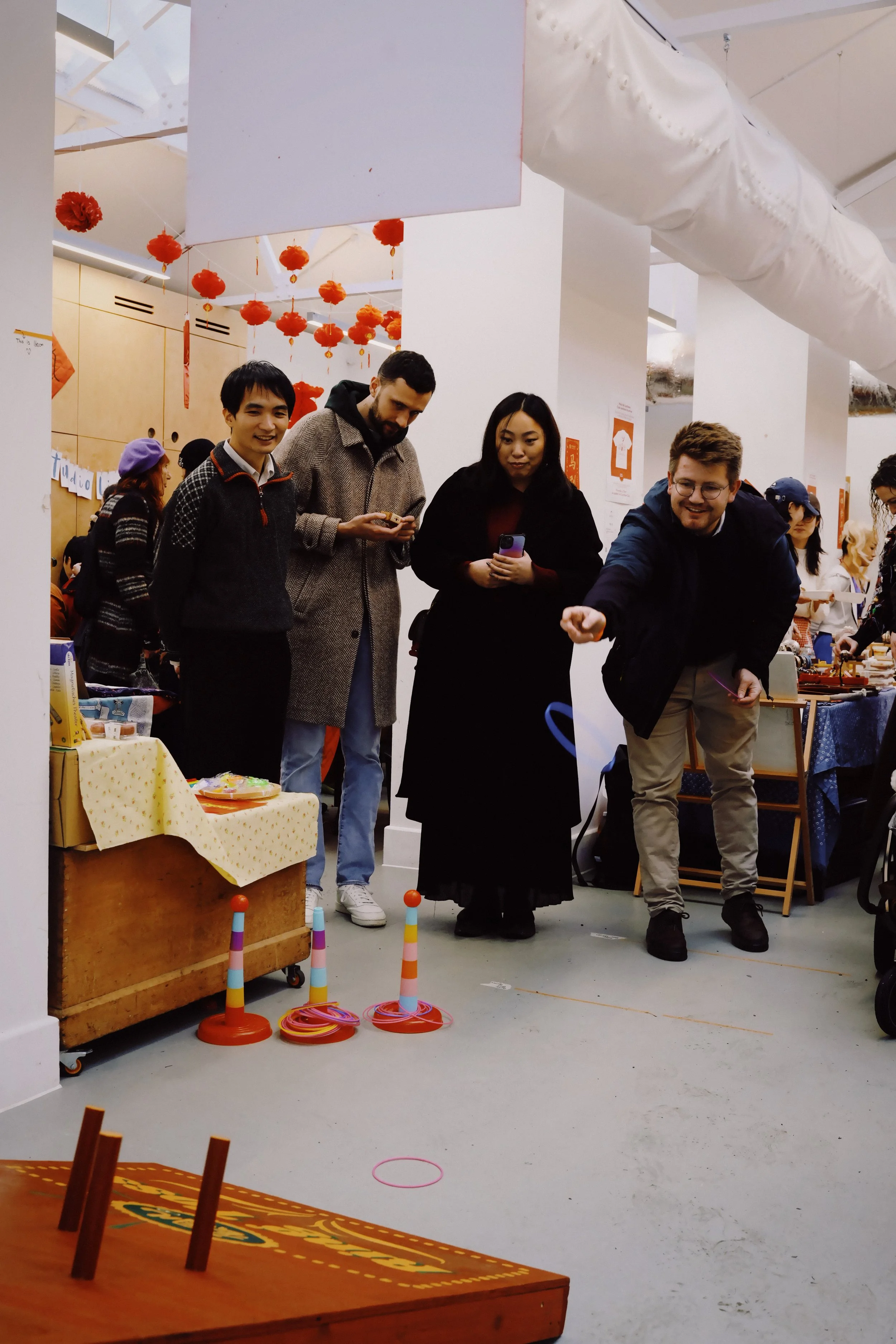
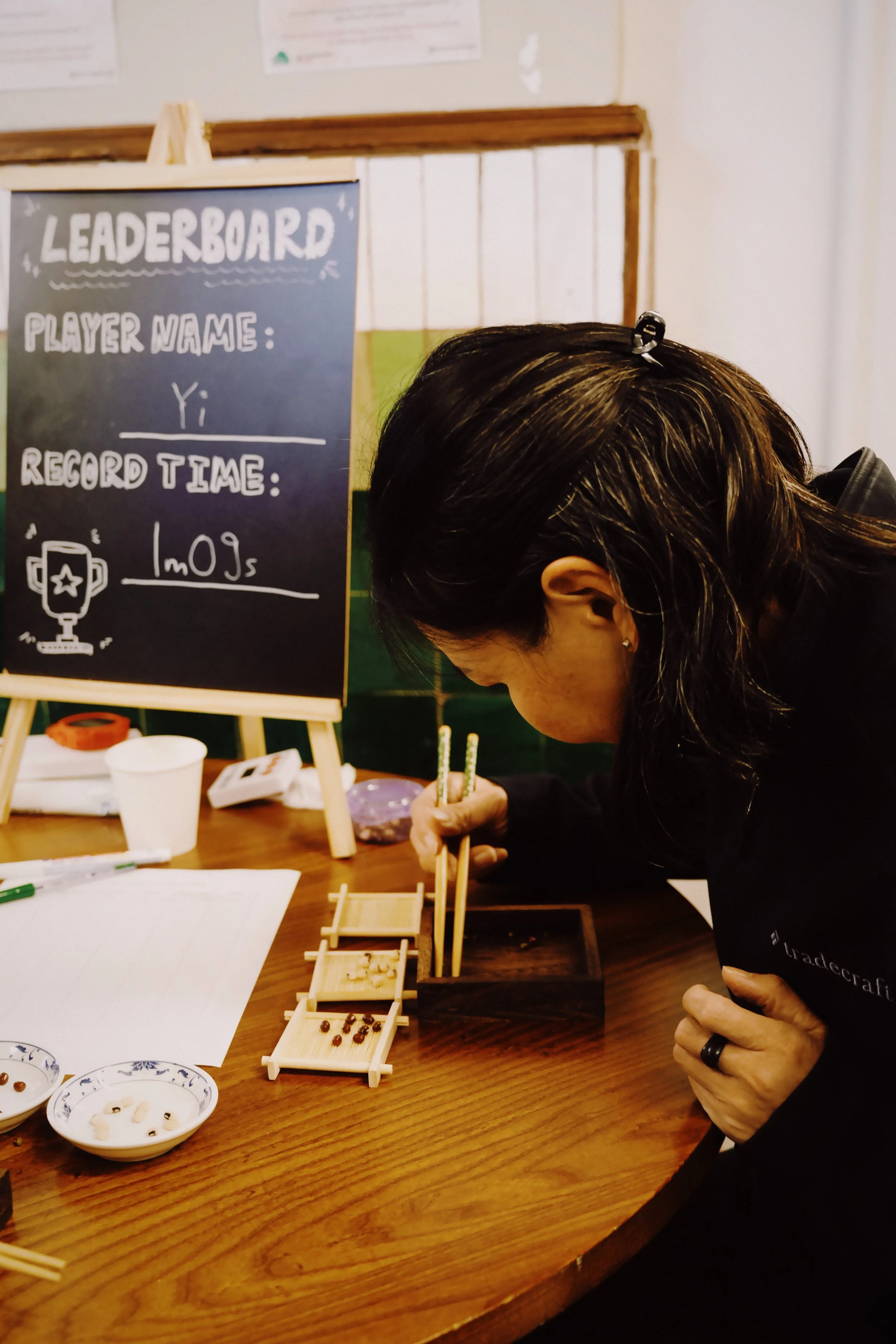
Alongside these traditions, there was also a sense of play. Games such as Pitch Pot, bean sorting challenges, and ring tossing added lightness and nostalgia to the day. These moments reminded everyone that celebration is not only about honouring tradition, but also about joy and togetherness.
Importantly, the event carried a deeper purpose. Funds raised supported the ESEA Community Centre, a charity dedicated to providing essential services, wellbeing support, and a vital social space for the local ESEA community. In this way, the celebration looked both backward and forward, honouring heritage while strengthening future community ties.
As the day transitioned into an evening Mahjong Club session, there was a lingering sense that something meaningful had taken place. Not just a festival, but a moment of cultural continuity. A reminder that traditions can travel, evolve, and still retain their meaning when shared with intention.
Through food, art, and community, this Year of the Horse celebration became a space where people could gather, reflect, and reconnect. It showed that even far from home, it is possible to rebuild that feeling, one shared experience at a time.